

Annealing is a heat treatment process used to increase the ductility of metals while reducing hardness, making materials easier to form, machine, or cold-work.
It consists of heating the part to a specific temperature, holding it for a controlled duration, and cooling at a regulated rate. Typical annealing temperatures range from 450 °C to 1200 °C, with most industrial applications between 700 °C and 900 °C. Depending on the alloy, the process may be carried out in:
- Air
- Neutral atmospheres
- Protective or reducing atmospheres (hydrogen, nitrogen, gas mixtures)
Temperature profile for annealing process
Annealing requires precise temperature control to ensure the correct microstructural transformation.
- Temperature range: 450–1200 °C
- Common range: 700–900 °C
- Soaking times vary from 30min to several hours
- Controlled cooling = stable metallurgical results

Technical Principles
Annealing is a heat treatment designed to modify the material’s microstructure in order to improve ductility and workability. It promotes structural homogenization and relieves internal stresses generated during previous manufacturing processes.
- Increased ductility and improved formability
- Improved machinability of materials
- Homogenization of the chemical and metallurgical structure
- Reduction of internal stresses from forging, rolling, drawing or machining

Codere Expertise
Codere designs and manufactures annealing furnaces that ensure maximum precision, uniformity, and repeatability.
- Excellent temperature uniformity
- Stable and reproducible atmosphere control
- Compliance with CQI-9, AMS 2750, and aerospace requirements
- Full traceability with HTView supervision software
- Predictable, consistent metallurgical results
- Swiss engineering ensuring long lifespan and reliability
Applications
Annealing is widely used across metalworking industries to prepare or stabilize materials before or after forming operations.
- Before or after forging
- Before or after drawing
- After machining
- After hot or cold rolling
- For materials requiring stress relief before hardening
- For copper, brass, and precious metals needing improved ductility
Example : Codere’s System 340 is widely used in the precious metals industry to anneal gold, silver, and platinum alloys without altering surface quality.

Applications and industries
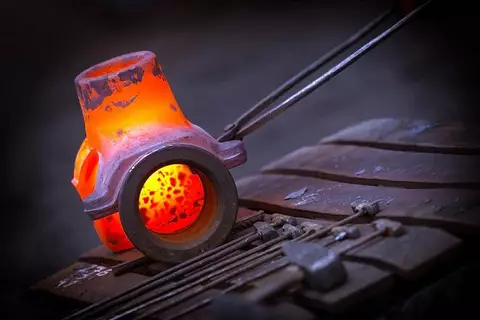
Before or after forging / drawing
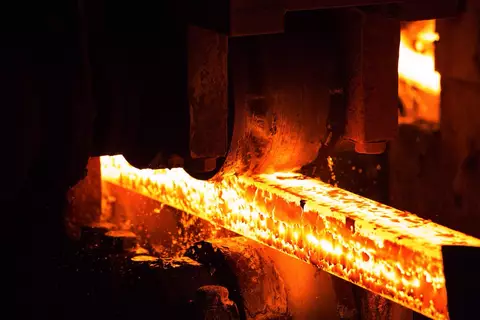
After machining and hot / cold rolling
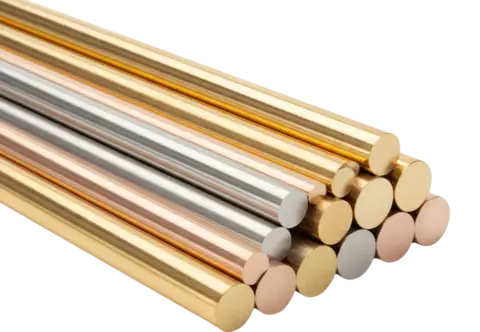
For material requiring stress relief before hardening, copper, brass
Key advantages / Why Choose Codere

T° precision

Repeatability

Flexibility

Reliability

Low maintenance

Traceability with HTView
Available furnace configurations for annealing
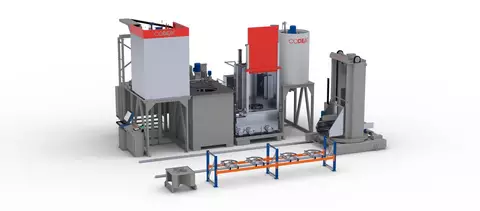
System 250
Modular Sealed Quench Heat Treatment Line
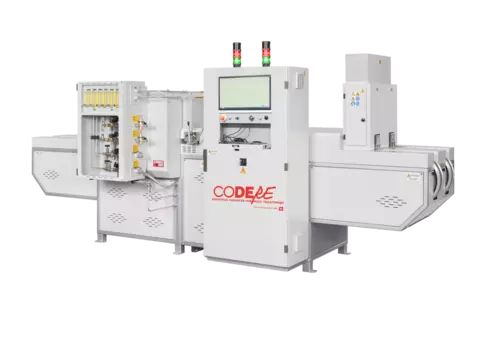
System 300
Continuous furnaces
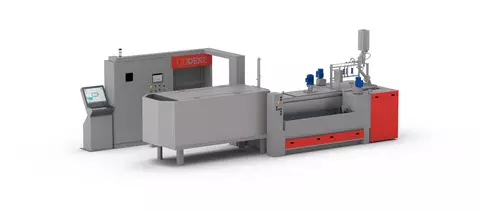
System 340
Annealing furnace for precious metals with integrated quench
Interested?
Contact us today. Our experts will give you all the information you need.