
Carburizing is a thermochemical process that enriches the steel surface with carbon to improve hardness, strength and wear resistance.
Parts are heated above the AC3 temperature in a controlled carburizing atmosphere and maintained for a defined time to achieve the desired case depth.
Carbonitriding is a related process in which both carbon and nitrogen diffuse into the surface. Nitrogen is typically supplied by ammonia, increasing hardenability, heat resistance and wear performance.
After carburizing or carbonitriding, parts are quenched (gas, salt, oil or water) to harden both surface and core. The higher carbon content at the surface improves achievable hardness and increases mechanical resistance.
Temperature profile of carburizing process
Carburizing and carbonitriding require controlled process parameters:
- Temperature range: 750 °C to 1050 °C
- Most common range: 800 °C to 930 °C
- Atmospheres: Nitrogen/methanol or endogas; ammonia for carbonitriding
- Quenching: Gas, oil, water or salt bath depending on the desired properties
Precise control of the atmosphere and heating time ensures the correct carbon potential and a homogeneous case depth.

Technical principles carburizing and carbonitriding
Carburizing and carbonitriding aim to improve the mechanical performance of steel components subject to fatigue, high loads and wear.
- Increased surface hardness
- Improved core toughness
- Higher wear resistance
- Adjustable case depth depending on the application
These thermochemical treatments enhance durability and performance, particularly for components subjected to dynamic loads.

Codere expertise in carburizing and carbonitriding process
Codere designs and manufactures furnaces dedicated to high-quality carburizing and carbonitriding, ensuring consistent results and complete process control.
Carburizing within Codere systems guarantees repeatable metallurgical results even on complex geometries or sensitive parts.
Codere strengths
- Highly uniform temperature distribution
- Controlled carbon potential through atmosphere regulation
- Modular systems enabling combined carburizing + quenching
- HTView supervision for full cycle traceability
- Repeatable, stable and industry-compliant processes
- Swiss engineering ensuring long-term reliability
Applications for these processes
Carburizing and carbonitriding are widely used in industries where components must withstand heavy loads, fatigue, wear or repeated shock.
- Automotive industry (gears, shafts, transmission components)
- Aerospace parts subjected to high stress
- Energy sector components
- Precision mechanical systems
- Any part requiring deep case hardening and high fatigue resistance

Applications and industries
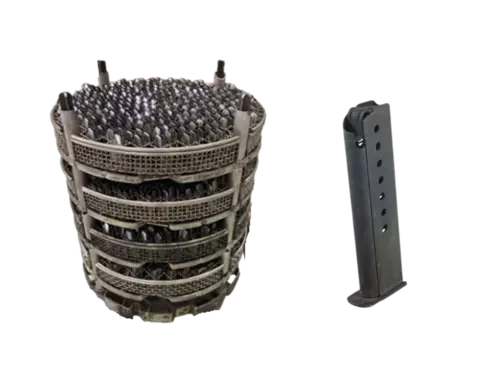
Pistol magazines
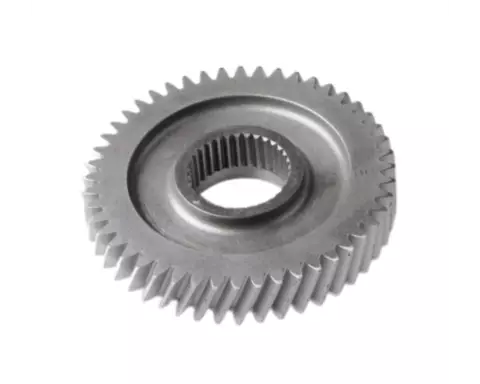
Gears
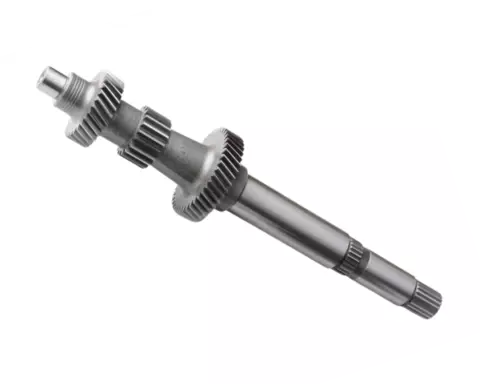
Transmission Shaft
Key advantages / Why Choose Codere

T° precision

Repeatability
Flexibility

Reliability

Low maintenance

Traceability with HTView
Available furnace configurations for carburizing
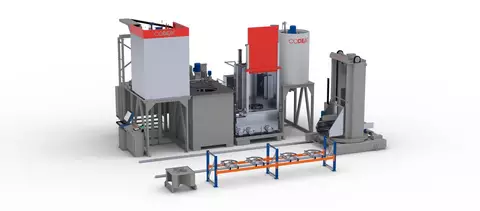
System 250
Modular multi-treatment furnaces
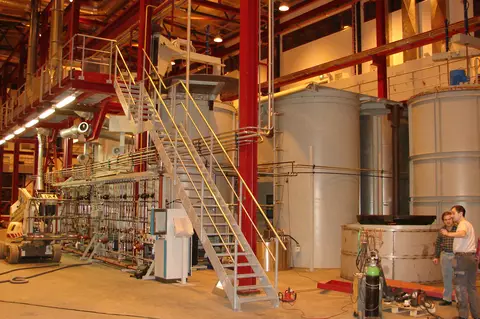
System 230
Pit furnaces for deep carburizing
On request
Custom configurations
Interested?
Contact us today. Our experts will give you all the information you need.