

Tempering is performed after hardening to balance hardness and toughness in steel components.
Because hardened parts are highly hard but brittle, tempering reduces hardness, increases ductility and stabilizes mechanical properties. Temperature control during tempering is essential to achieve the desired final performance.
The required tempering temperature depends on the steel grade and the target hardness. After tempering, the microstructure becomes tempered martensite, offering the desired compromise between mechanical strength and hardness.
Depending on alloying elements, certain steels—such as maraging steels—can even gain hardness during tempering.
Temperature profile for tempering process
Tempering temperatures generally range from 180 °C to 650 °C, with higher temperatures leading to greater toughness and lower hardness.
Atmosphere options:
- Air
- Nitrogen
- Hydrogen (for bright surfaces or specific color requirements)
Atmosphere selection depends on final surface appearance, oxidation limits and metallurgical constraints.

Technical principles of tempering
Tempering is a heat treatment carried out after hardening to adjust the mechanical properties of the material. It reduces the brittleness of hardened steel while maintaining a suitable level of hardness for the intended application.
- Reduction of brittleness and improvement of toughness
- Stabilization of the martensitic structure
- Relief of internal stresses generated during quenching
- Controlled adjustment of the hardness / strength balance

Codere expertise in tempering process
Codere designs advanced tempering furnaces delivering precise temperature stability and repeatable results for all steel grades.
- CR furnaces for air tempering
- CRG furnaces for nitrogen or hydrogen protective atmospheres
- Excellent temperature uniformity
- HTView supervision for traceability and data logging
- Swiss-quality engineering ensuring reliability and durability
- Full integration within Codere modular heat treatment lines
Applications for tempering
Tempering is necessary for any hardened part requiring stress relief, stability and fine adjustment of final hardness.
Typical applications:
- Hardened tools
- Precision mechanical parts
- Gears and shafts
- Watchmaking components
- Structural components requiring controlled toughness

Applications and industries
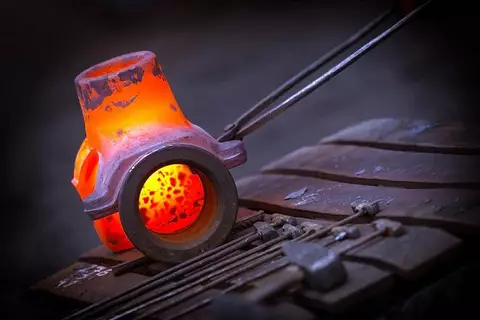
Before or after forging / drawing

After machining and hot / cold rolling
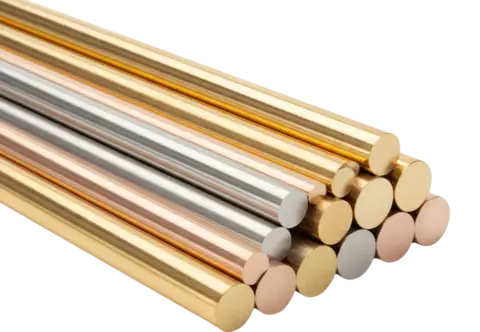
For material requiring stress relief before hardening, copper, brass
Key advantages / Why Choose Codere

T° precision

Repeatability

Flexibility

Reliability

Low maintenance

Traceability with HTView
Available furnace configurations for tempering
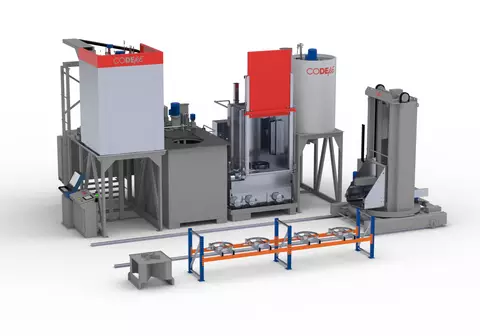
System 250
Operations are carried out in modules of our 250 system family
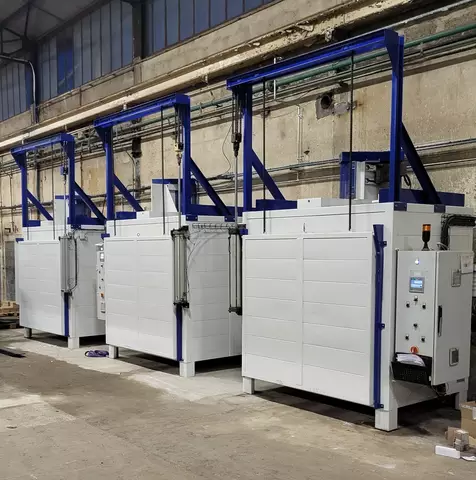
CR furnaces
Designed for air tempering
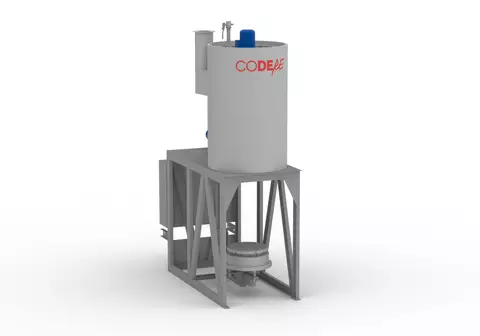
CRG furnaces
Suitable for nitrogen or hydrogen atmospheres
Interested?
Contact us today. Our experts will give you all the information you need.